Language
Terms & Conditions

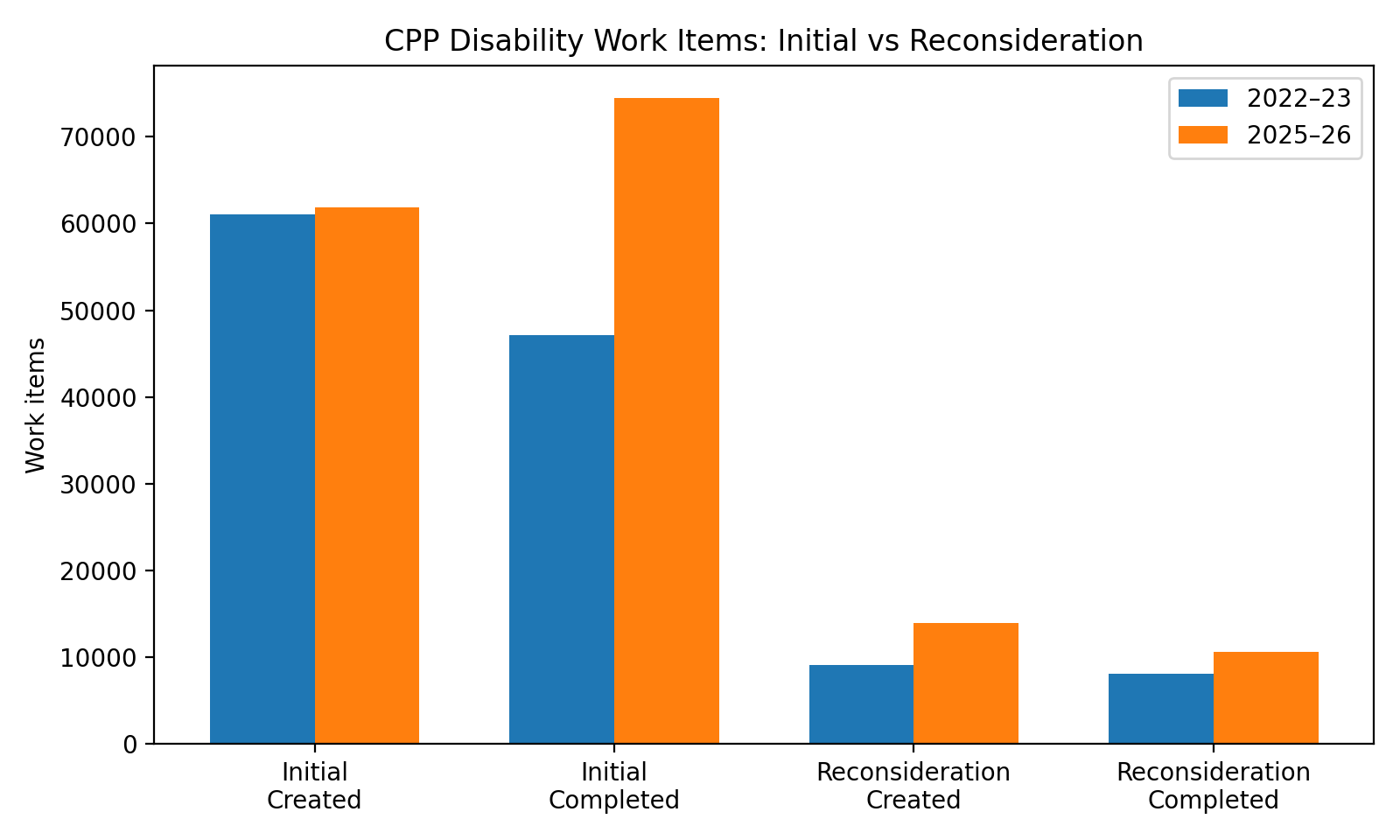
Chart 1. Work items in the initial application stream and the reconsideration stream
Source: DCAC analysis of ESDC FOI review-log data.
When people hear that CPP Disability processing has improved, that can sound reassuring. But the full picture is more complicated. DCAC’s review of federal FOI data shows that the CPP Disability system is really telling two different stories at the same time.
The first story is about initial applications. The number of work items created stayed almost flat, moving from 61,071 in 2022–23 to 61,813 in 2025–26. That is only a small increase. At the same time, the number of work items completed rose sharply from 47,167 to 74,506. In plain language, that suggests Service Canada made progress moving more first applications through the system.
The second story is about reconsiderations. A reconsideration happens after a denial, when a person asks Service Canada to review the decision again. In this stream, work items created increased from 9,105 to 13,943. But completions only increased from 8,125 to 10,618. That tells us pressure is growing at the same time people are waiting for reviews of denials.
What does the chart mean? The chart helps people see that initial application work stayed fairly steady, while reconsideration work rose much faster. It also shows that completions grew strongly for first applications, but not enough to keep pace with the growing reconsideration stream.
For the public, this matters because a denial is not the end of the story. Many people still need fair, timely reconsideration decisions. When that part of the system falls behind, people can be left waiting for income, planning, and peace of mind. That is why it is so important to look beyond headlines about overall improvement.
If you have been denied CPP Disability or are waiting too long for a decision, DCAC may be able to help you understand your options and next steps.
DCAC will assess your particular situation and provide prompt feedback on your chances of a positive outcome.

.svg)


.svg)