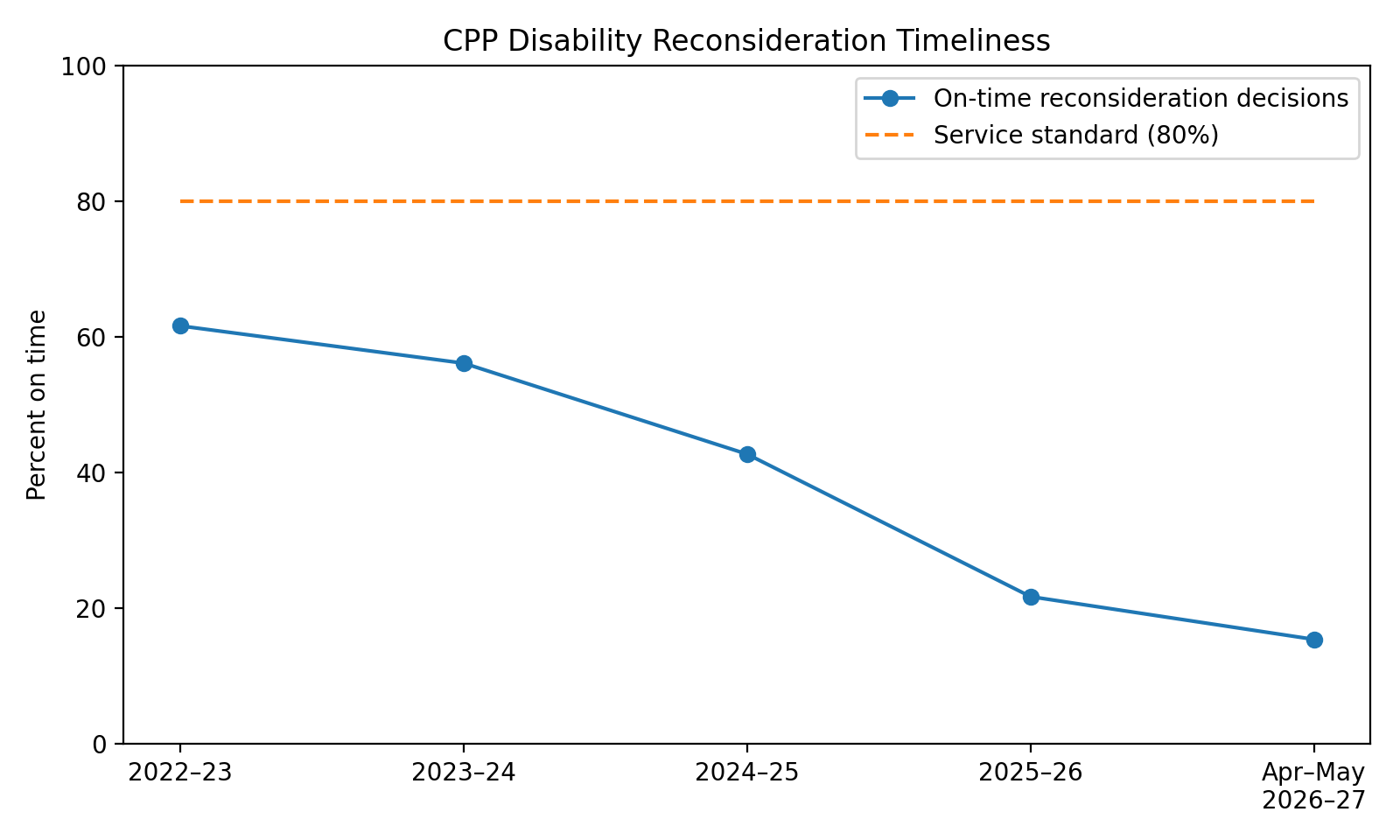
Chart 2. Reconsideration decisions made on time compared with the 80% service standard
Source: DCAC analysis of ESDC FOI review-log data.
For many people, the hardest part of CPP Disability is not only the first application. It is what happens after a denial. That is where reconsideration becomes so important.
A reconsideration is the step where Service Canada looks at the decision again. The service standard says 80% of reconsideration decisions should be made within 120 calendar days. On paper, that sounds like a clear and reasonable timeline. But the FOI data reviewed by DCAC shows that this target has been missed by a very wide margin.
In 2022–23, 61.6% of reconsideration decisions were made on time. In 2023–24, the number fell to 56.1%. In 2024–25, it dropped again to 42.7%. By 2025–26, only 21.7% were on time. In April and May of 2026–27, it fell even further to 15.4%.
What does the chart mean? The line keeps moving downward while the service standard stays high above it. That makes the problem easy to see. Instead of getting closer to the target, reconsideration performance moved farther away from it each year. In simple terms, more and more people asking for a review of a denial may be waiting longer than they should.
This matters because reconsideration is often a critical stage. People may be out of work, dealing with illness, worried about money, and trying to understand why their claim was refused. A slow reconsideration process can add stress and delay the chance to correct a decision. It also shows why clearer public reporting and transparency are needed.
If you received a CPP Disability denial or your reconsideration is taking too long, DCAC may be able to help explain the process, prepare the file, and support you with the next step.
La CDRI évaluera votre situation et vous fournira, dans les plus brefs délais, une estimation de vos chances d’obtenir gain de cause.

.svg)


.svg)